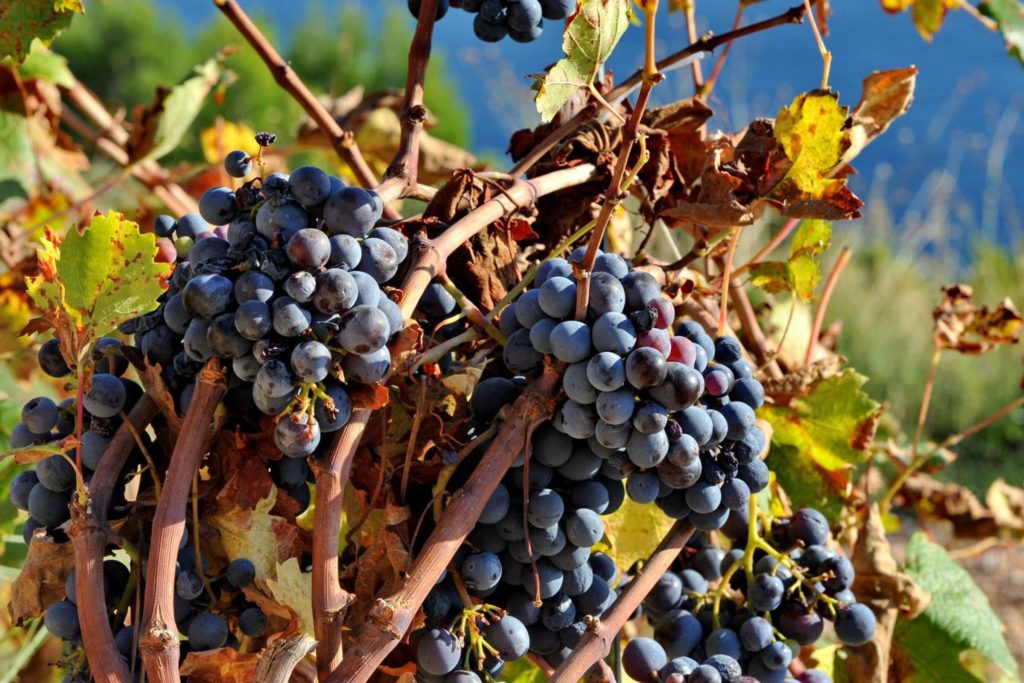

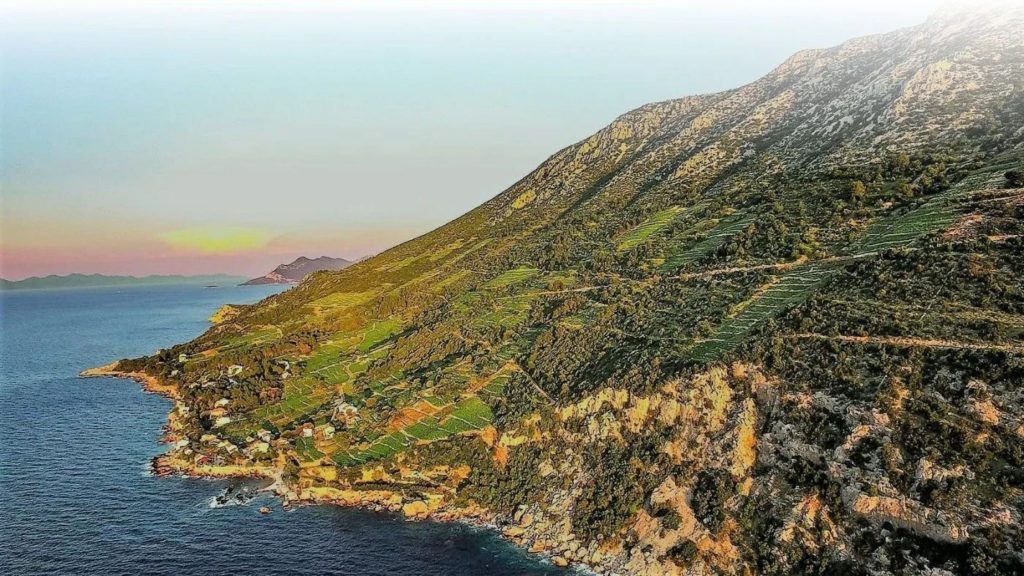
If there is a wine destination in Croatia that combines history, tradition, stunning landscapes, and wine that leaves a strong impression on the palate, it is Pelješac. This elongated peninsula on the southern Dalmatian coast is known as one of the country’s most important wine regions, home of Plavac Mali, an indigenous red variety that reaches its finest expressions here thanks to the sun, the sea, and the unique terroir.
The first taste of Pelješac: Plavac Mali and the land under the sun
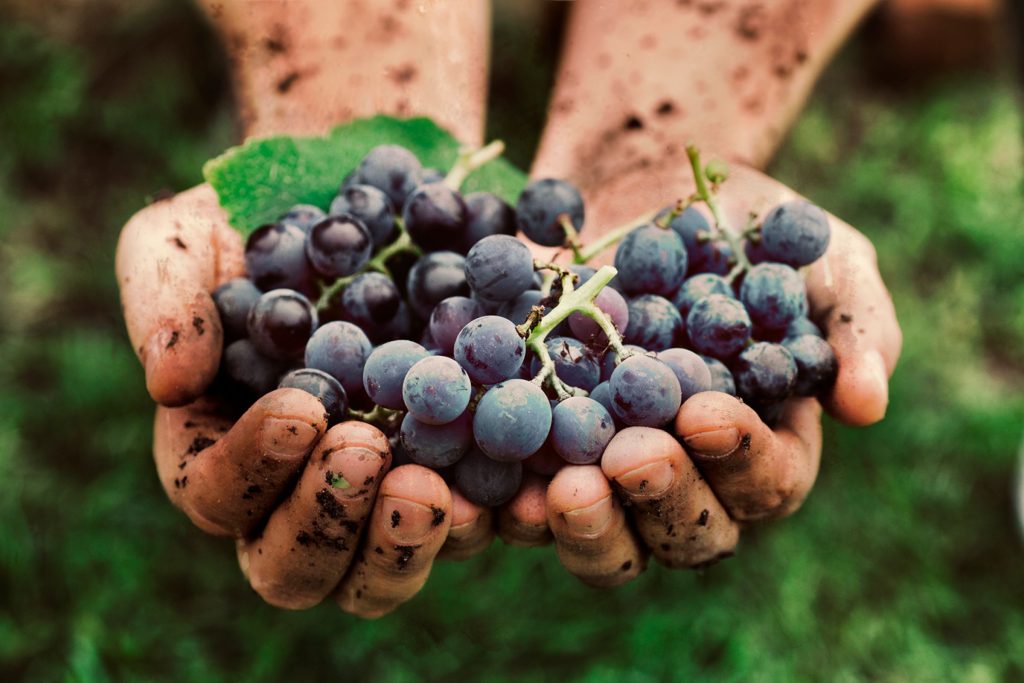
Pelješac is a winegrower’s paradise where rocky terrains and intense sunlight give the grapes high concentrations of sugar, tannins, and aromas, which ultimately result in strong, complex wines. The two most famous vineyards are Dingač and Postup, whose wines carry protected designation of origin status. Plavac Mali here is not just a grape, it is an identity. With its thick skin and aromas of dark berries, spices, cherries, and Dalmatian Mediterranean herbs, its wines are remembered long after the last glass.
Saints Hills where history and elegance meet wine
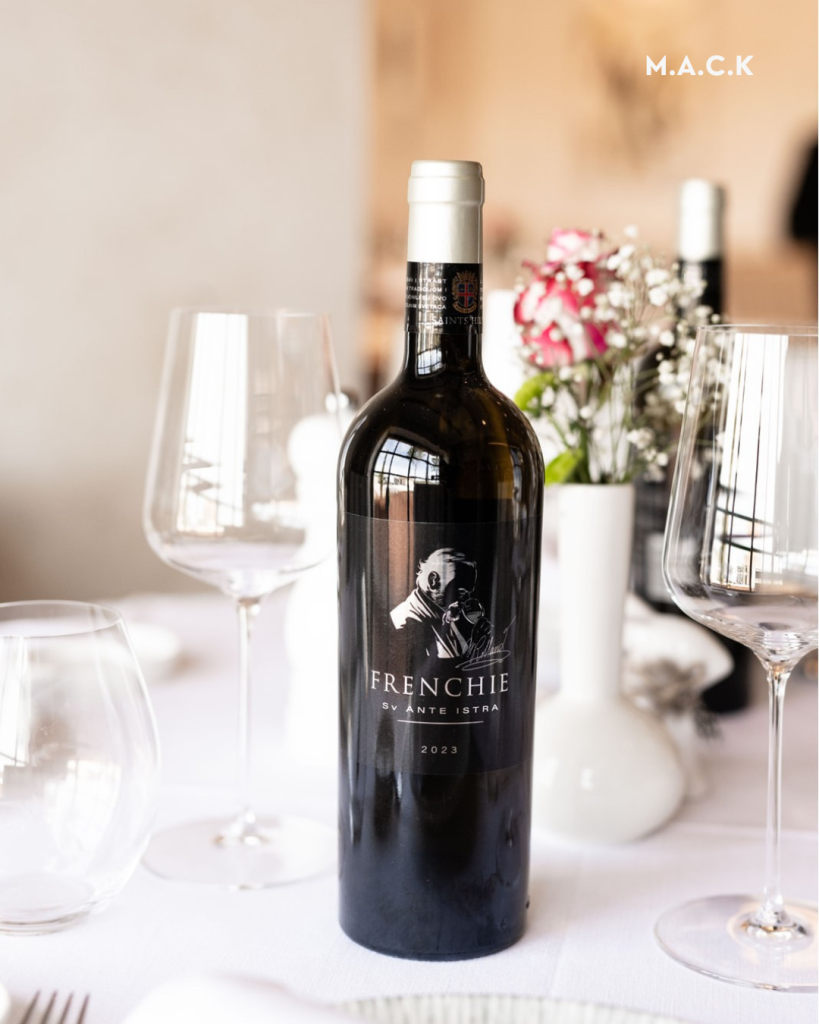
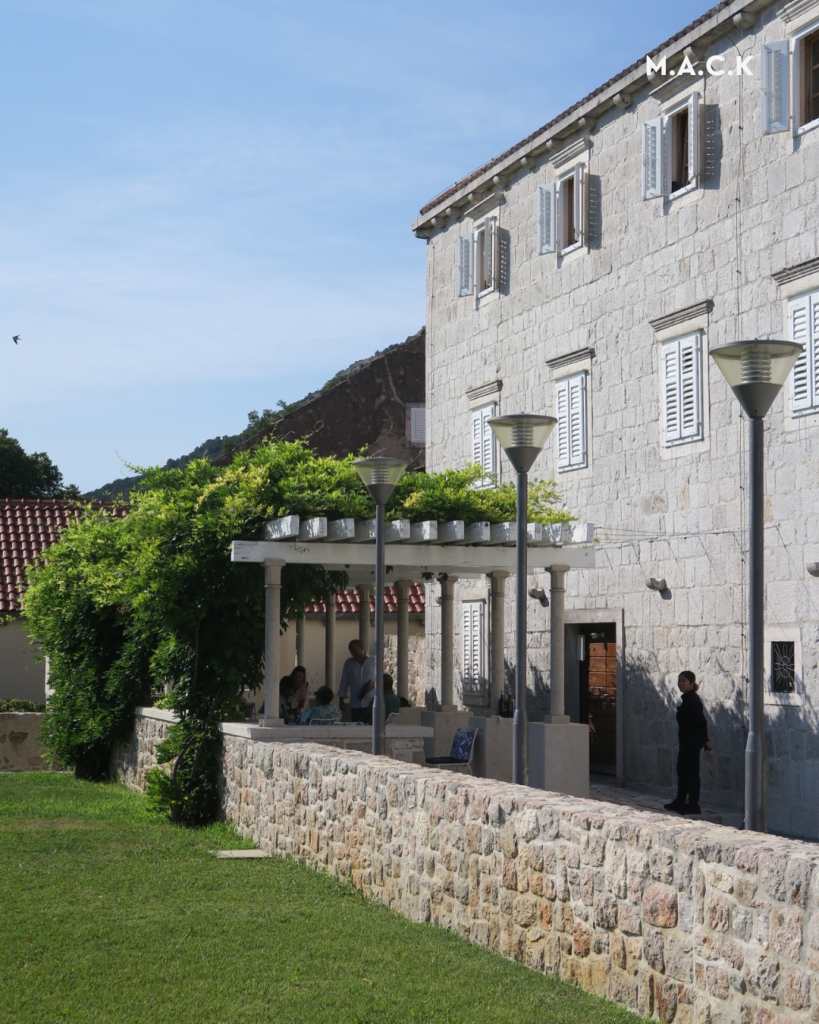
On Pelješac, in the small village of Oskorušno, lies Saints Hills Winery, one of those wineries where the tasting moment turns into a story. The stone house, carefully restored with attention to tradition and detail, hides a wine archive that tells the evolution of vintages through decades. When you taste Plavac Mali or Dingač here while a gentle sea breeze touches your cheeks, the experience is completely different. Even the food served alongside the wines follows local flavors and fresh ingredients, making each tasting a feast.
Matuško with an underground story of wine and time
Just a few kilometers away, Matuško Winery offers an unforgettable experience. A vast cellar stretches underground, ending in a tasting room where the wine matures in ideal conditions. Here you can try their legendary Dingač varieties, from Royal and Reserva editions to Postup and the sparkling Don Mateo. Each bottle exudes the intense character of Pelješac, with deep color, layered aromas, and tannins that tell stories of stone and sun.
Vicelić and Milinović with a small winery and big experiences
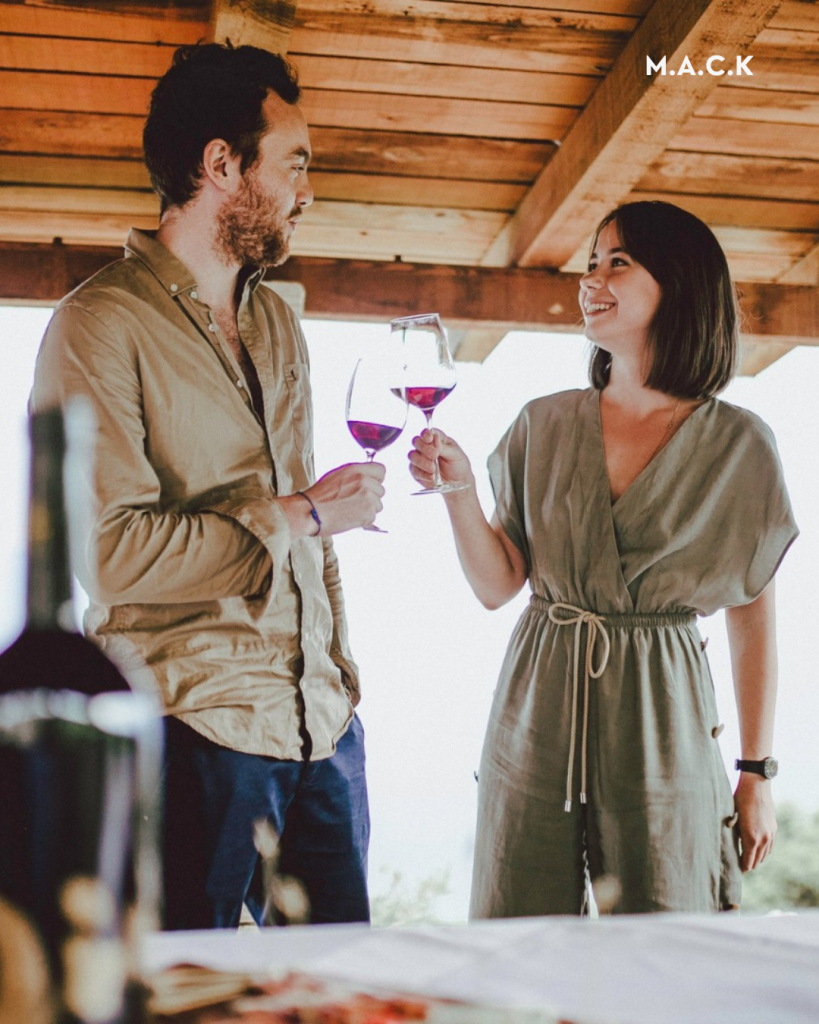
For those who enjoy discovering lesser-known winemakers with authentic expression, Vicelić Winery in Kuna Pelješka is a true gem. Their Dingač and Plavac Vicelić are full-bodied with rich textures, offering aromas of red berries and spices reminiscent of Mediterranean soil and the maestral wind.
Meanwhile, the Milinović family in Trpanj produces their Plavac Mali “Padre,” a wine of dark ruby color, full flavor, and strong character, ideal with meat dishes and Dalmatian barbecue.
Dingač and Postup as vineyards with history
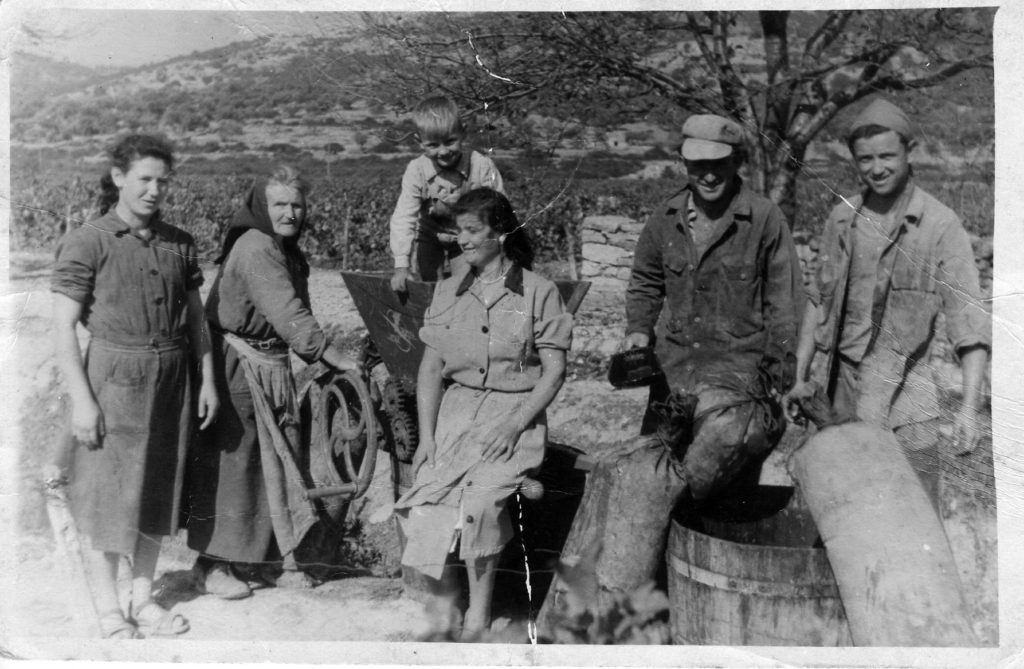
The names Dingač and Postup are not just geographical labels, they symbolize history and quality. Grapes from these vineyards grow on steep slopes facing south, where sunlight and sea reflection provide a high sugar content and pronounced flavor concentration.
Legend has it that these vineyards were the first in the region to receive international wine protection in 1961, confirming the exceptional value and reputation ofPelješac Plavac.
The tastes of Pelješac by the label and how to enjoy the wine
Plavac Mali is best enjoyed at room temperature, around 16–18 °C, so that its layered aromas fully open. The complexity of tannins and fruit notes makes it an excellent partner for grilled dishes, roasted lamb, and even mature cheeses. Wineries across the peninsula often offer exclusive tasting combinations with local delicacies, olive oil, prosciutto, and even Ston oysters, all in a breathtaking atmosphere.
Conclusion
Pelješac is not just a wine route, it is a journey through sun-drenched vineyards, an indigenous grape that reflects the terroir, and people who proudly preserve tradition. Plavac Mali here becomes more than wine, it becomes part of the story of Dalmatia, the sea, and a life that flows slower, deeper, and with more passion.