

Planning to drive in Croatia? Here’s what you should know before you start your engine.
If this is your first time driving in Croatia, don’t worry. It’s much easier than you might think.
Roads are modern, traffic rules follow EU standards, and driving along the Adriatic coast is honestly one of the highlights of the trip.
Still, a few local tips can make your experience smoother.
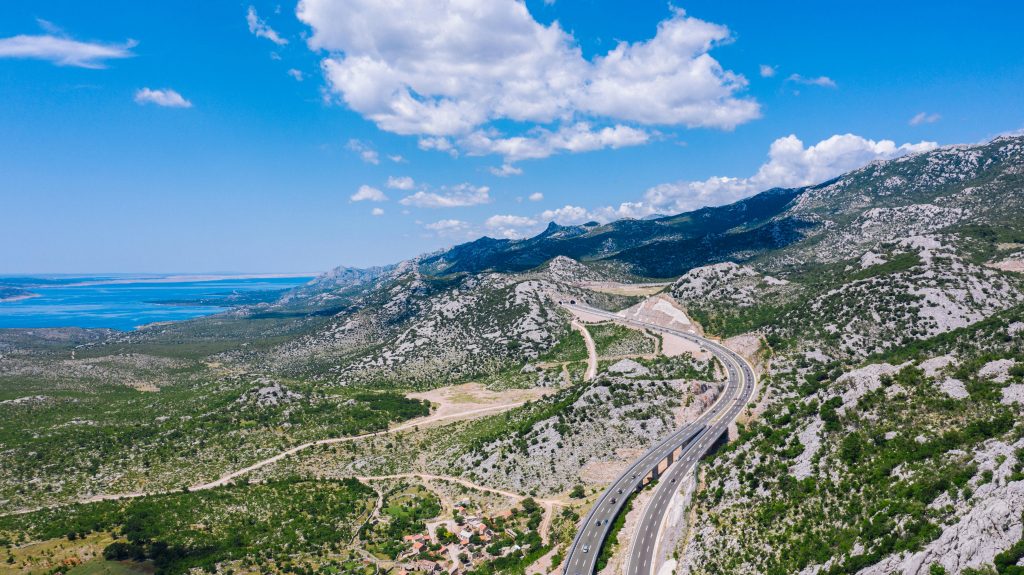
What Are Croatian Roads Like?
Croatia has excellent infrastructure.
- Highways (like A1) are modern and toll-based
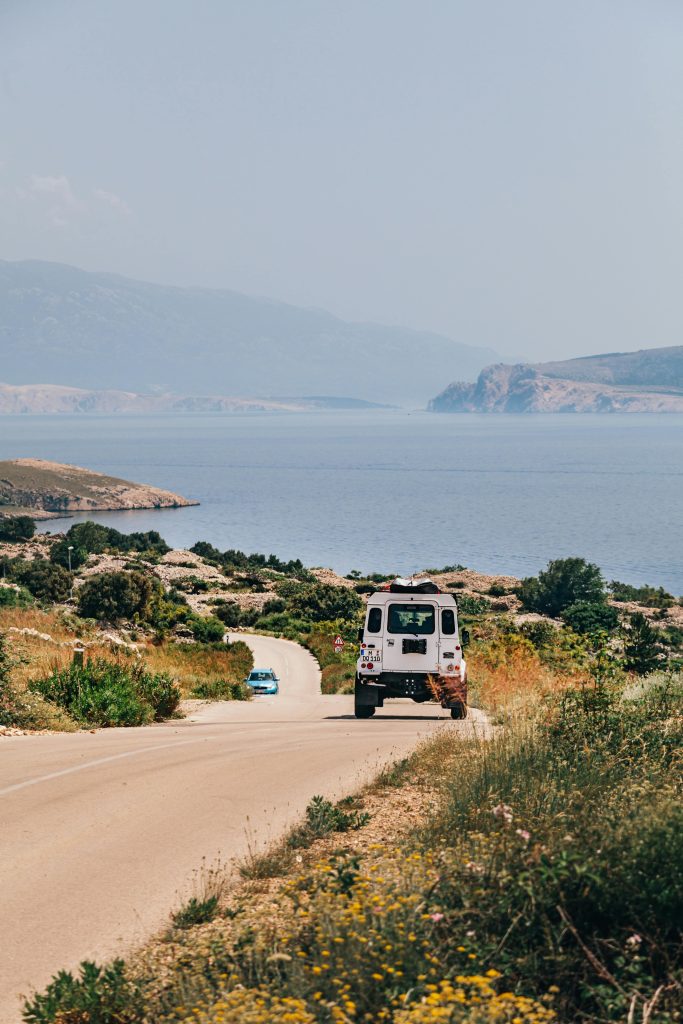
- Coastal roads are scenic and well maintained
- Mountain roads are safe but sometimes narrow
Speed limits are clearly marked:
- 50 km/h in cities or little towns
- 90 km/h outside cities
- 130 km/h on highways
Toll roads are paid when exiting the highway where you can pay by card or cash.
Parking in Dubrovnik (Important!)
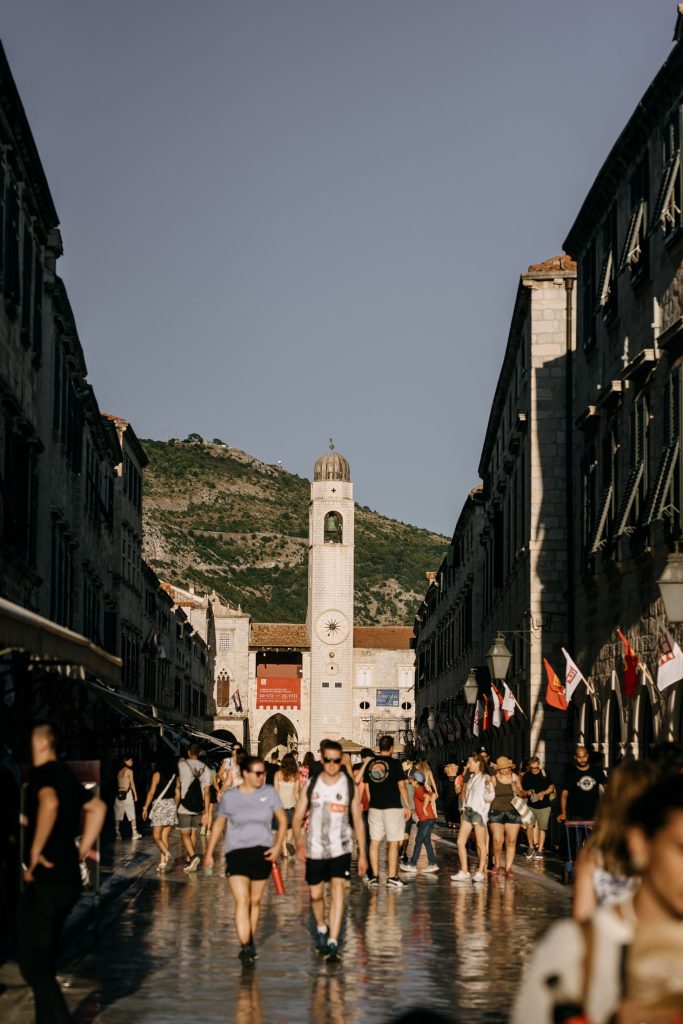
Here’s the big thing: Dubrovnik Old Town is pedestrian-only.
You cannot drive inside the walls.
In addition, much of the area directly surrounding the Old Town operates under a special traffic regime. Certain streets are restricted to residents and permit holders only.
If your accommodation is located in this zone and includes private parking, you may be allowed access, but only with prior registration and a valid permit. Always check with your host or rental company in advance.
Parking near the Old Town is limited and can be expensive, especially during high season, so planning ahead is essential.
Parking works in zones:
- Zone 1 (closest to Old Town) is the most expensive
- Public garages are the safest option
- Hotels sometimes offer private parking
Always check parking signs carefully because fines are not cheap.
If you’re renting a car in Dubrovnik, we recommend choosing accommodation with parking included.
Fuel & Driving Tips
Fuel stations are widely available and easy to use.
A few helpful tips:
- Use Google Maps or Waze – both work great in Croatia
- Watch for speed cameras (or download an app that shows you where they are: it’s super useful!)
- In summer, expect more traffic on coastal roads
Winter driving in Croatia
If you are visiting during the winter months, there are a few important rules to keep in mind.
From November 15 to April 15, winter equipment is mandatory on certain roads in Croatia. This may include winter tires or carrying snow chains, depending on the region and weather conditions.
Low beam headlights must be used during daytime driving in winter months.
If you plan to drive outside Dubrovnik, especially inland or towards Bosnia and Herzegovina, always check weather conditions and road requirements in advance.
Our Advice

Driving in Croatia gives you freedom.
Freedom to stop at hidden beaches.
Freedom to take scenic detours.
Freedom to explore beyond tourist routes.
If you rent a car in Croatia, you’ll quickly realize that the journey is just as beautiful as the destination.